
You didn't search this at random.
You're not on this page by accident.
You're here because you're exhausted from carrying this alone.

Watching someone you love struggle with addiction or a mental health crisis is exhausting in its own way. Our credentialed Canadian therapists treat them in the safety of their own home — so getting help doesn't mean losing the people and the life around them.
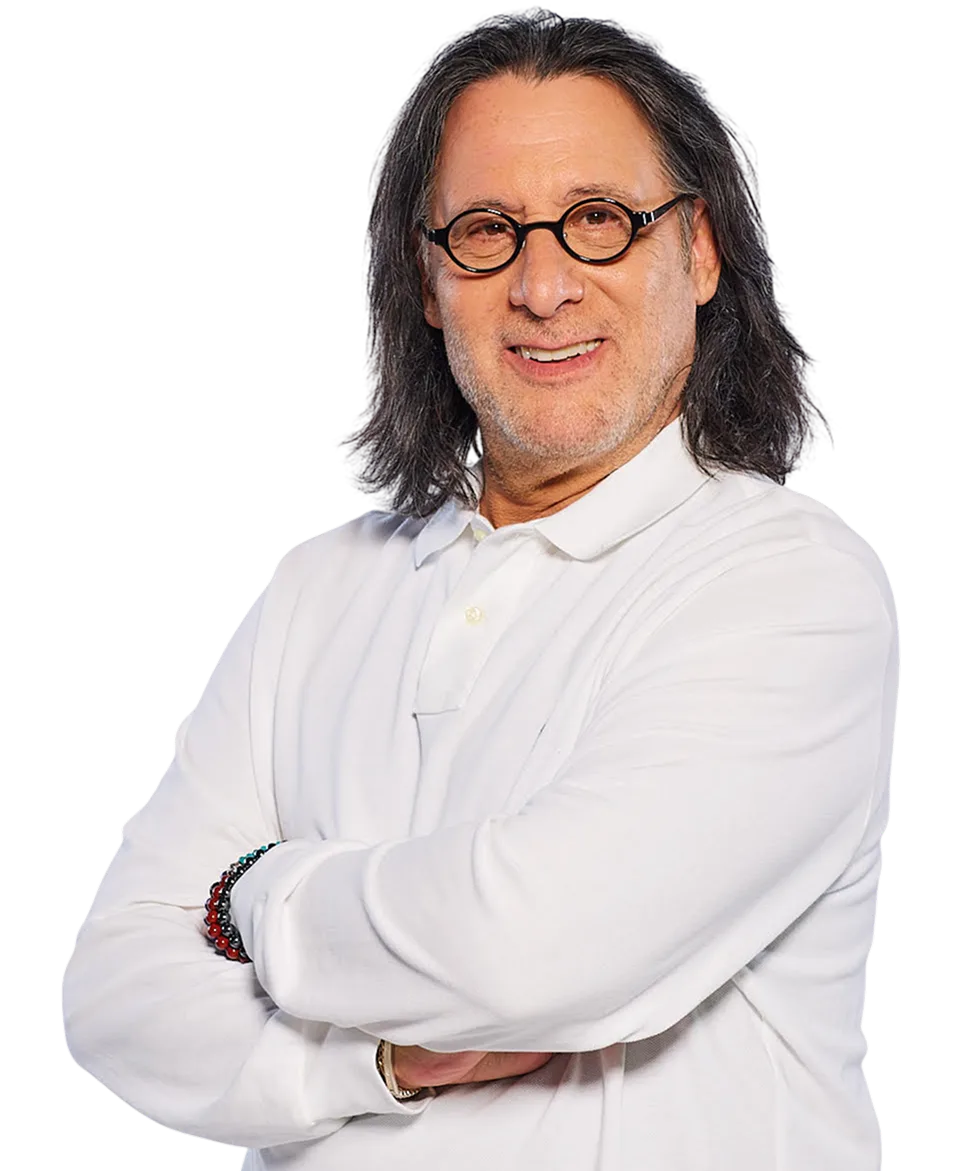
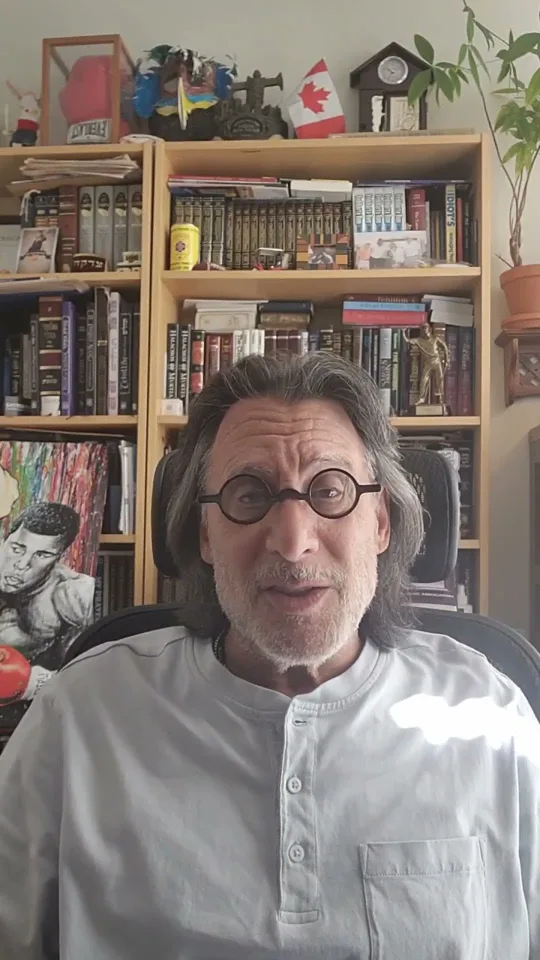
Yonah — meet the program
Watch our clinical director and supervisor, Yonah, explain — in his own words — why telehealth works, and who it's helped. Just 60 seconds, before you decide what tonight looks like.
You don't have to trust us blindly. Every credential below is independently verifiable, so you can check exactly who's treating your loved one before you decide anything.
Ontario community safety & correctional standards
National Center for Crisis Management
Association for Addiction Professionals (NAADAC)
Canadian Mental Health Association
Accreditation Canada, Primer Award
Provincial credentials vary by each therapist's home province. The badge shown reflects one example; our clinicians are licensed and supervised across Canada.
You're not on this page by accident.
You're here because you're exhausted from carrying this alone.

Most families we talk to have stood in front of these two doors for months. One feels too big. The other feels too small. Neither one fits the actual life on fire in your kitchen.
Credentialed remote clinical care that matches the seriousness of residential treatment — without making your loved one disappear.
Get Help Now →The person you love rarely has one tidy diagnosis. We separate them from the addictive behaviour, then build the motivation to change, help manage urges, work through the feelings underneath, and rebuild the balance that keeps recovery in place.
Mental health and substance use are often two parts of the same story. Anxiety, depression, and trauma drive self‑medication, which deepens the underlying condition. We treat both together with a plan designed for their specific picture.
The first months of recovery are the hardest and the most decisive. We act as the advocate your family can count on through that window: reintegration, life skills, and the small daily structures that turn sobriety into something durable.
When everything feels like it's on fire, you need someone who has been through it before. Our team has de‑escalated nearly every situation a family can face: restoring stability, navigating intense feelings, and protecting the long‑term outcome from a short‑term moment.
Addiction rarely affects only one person. We sit with couples and families as a mediator, never as a judge, to bring opposing viewpoints into the same room and rebuild the communication patterns recovery depends on.
★★★★★
Daniel
Toronto, ON
RecoverInHome helped my family through my depression, anxiety, and alcohol addiction. Yonah connected directly with my root issues to help me resolve them and move forward. I got my life and family back.
Residential programs work for some. For many families, they don't, because of work, kids, a partner who can't be left alone, or because the person you love has already said no. The telehealth service answers that.
No waiting rooms, no reception desk, no chance a neighbour or coworker sees something they'll ask about later. Treatment happens in a private and safe environment.
Kids still get picked up. Work still happens. Therapy fits around the life their family is already holding together, instead of asking everyone to put it on pause.
You're not a visitor to their recovery. You're part of it. We use CRAFT, the SMART Recovery family support model, to build that network where it actually lives, around the people who are already there. Work through it with our team, or with a SMART Recovery meeting: either way, it's the same approach.
It's hard to hand someone you love over to a treatment you don't know much about. They're not just a patient to you. You want them cared for the way you'd care for them yourself. We get that. So here are the four steps, from your first call to the end of treatment, laid out plainly.
We have a free 30‑minute phone conversation with you, where we listen, ask the right questions, and tell you honestly if this approach is the right fit for your loved one or not.
Yonah or one of our clinicians meets with your loved one in their private virtual office. We talk about substance use, sleep, mood, anxiety, and what's going on.
Then a clinical program starts. It includes 4 video sessions a week, a weekly peer support group meeting, 24/7 phone support, and drug and alcohol testing done remotely. We can adjust the plan as they go.
Most relapses happen after the program ends. We don't disappear at day 90, and neither should your support. Weekly support group meetings stay open for life, as well as free refresher sessions if needed.
*Please note: where medication needs to be part of the plan, we collaborate with their family doctor. We don't prescribe.
Therapy is delivered by credentialed Canadian clinicians, therapists, addiction counsellors, and mental health professionals, using evidence‑based protocols. Nothing about being in the home changes that standard.
Our goal isn't to make your loved one reliant on us. Plans are built so the person in recovery owns the change long after our sessions end — that's why families report their loved one still doing well at 18+ months.
Records are confidential and virtual visits are unmarked. We don't post case studies, we don't share faces, and we never confirm to anyone — including extended family or friends — that someone is a client.


That's the job. The treatment is how we get there.
You don't need to have the conversation with your loved one before you talk to us. You don't need a plan, a strategy, or the right words. Just some minutes on the phone with someone who has walked thousands of families through this same week.
Open 24/7 · Confidential · Free
We respond within one business day. Your message is held confidentially in accordance with the Health Insurance Portability and Accountability Act (HIPAA). Nothing on this page commits you to anything. If telehealth isn't the right fit, we'll tell you that and point you somewhere it is.
Not unless you want them to. This first call is yours alone. We'll help you think through how and when to involve them, and we won't reach out to them without your input.
Many of the families we work with have already been told no once. Bringing therapy into the home through telehealth removes a lot of the reasons people refuse residential treatment in the first place. We can also talk you through how to approach the conversation.
Yes. We use CRAFT, the same family support model taught through SMART Recovery, to help you communicate, set boundaries, and support their recovery without losing yourself in it. You can work through it with our team directly, or attend a SMART Recovery Family & Friends meeting. Either path uses the same approach.
We're a private practice, and pricing is a fixed rate per client per month. We don't take insurance, so there's no waiting on approvals or claims to sort through. You'll know the exact cost before your loved one starts treatment.
That's exactly what the first call is for. Telehealth isn't right for every situation — for example, where there are acute medical risks that require inpatient detox. We'll tell you honestly whether it fits, and point you elsewhere if it doesn't.
No. We never contact their employer. There are no in‑person visits — sessions happen online, in a private virtual office, on their schedule.
Not unless they sign for it. We don't talk to their family doctor without written permission.
Most of the people we treat have a job, a family, and a life that looks fine from the outside. They don't have to lose everything before they get help — that's the part most families get wrong too.
No. We're a private program and don't bill any provincial health plan, including OHIP, MSP, or AHCIP. That's also why there's no six month wait list. If you call today, they start today.